Stop Buying Gear. Start Solving Problems.
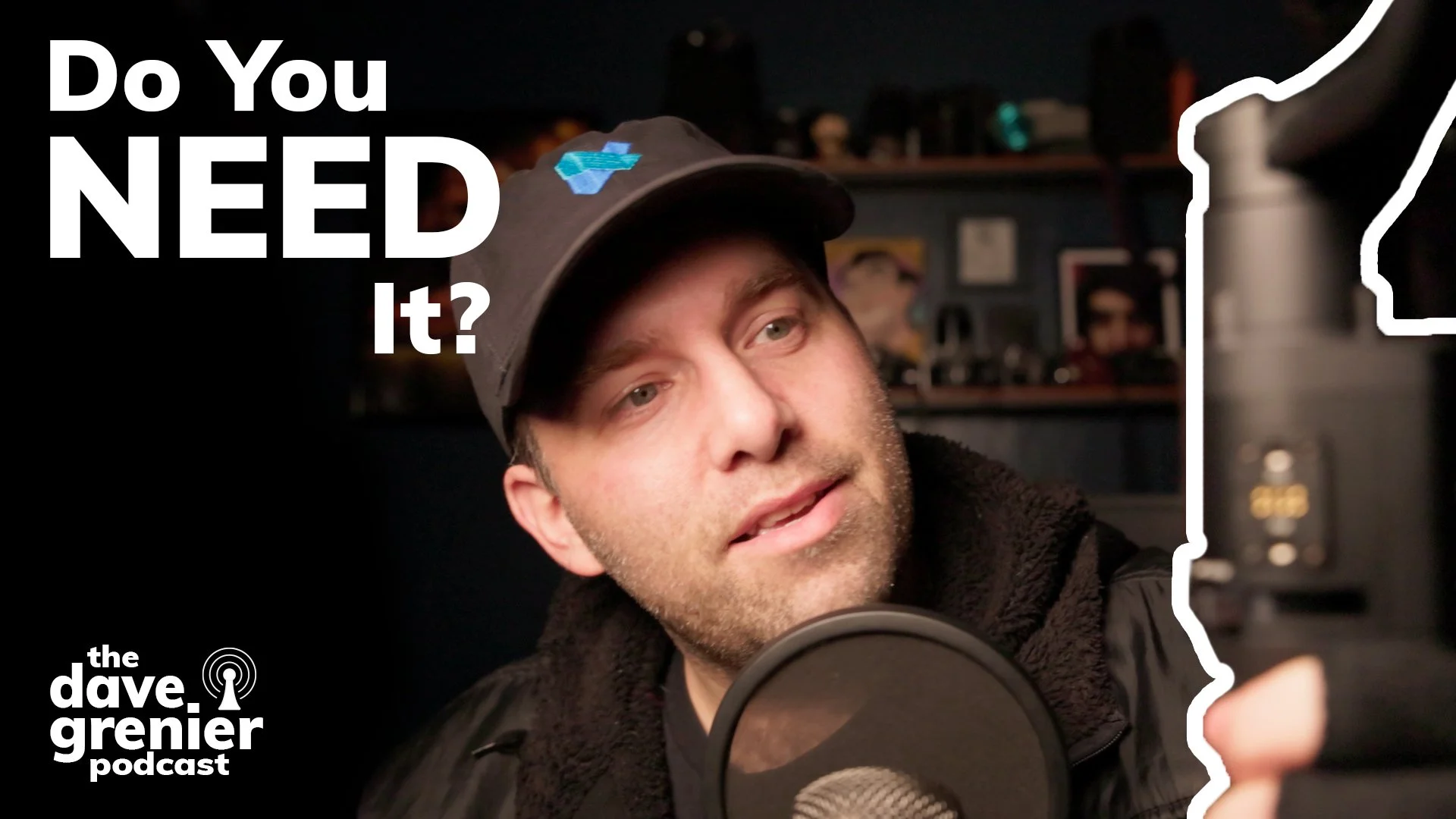
If you and I were grabbing coffee and you told me you’re thinking about buying new gear, I’d ask one thing: what problem is it solving? Not “what would be nice,” but what’s actually getting in your way right now.
Because here’s the trap. New gear is a mood booster. It feels like momentum. It feels like progress. Sometimes it even looks like progress, sitting on your desk like a tiny metal promise.
But if it does not solve a real problem, it is usually just an expensive way to feel better for a day.
“Does This Fix Something” vs “Does This Just Feel Good”
I’m not anti gear. I love good tools. I just don’t love buying tools to avoid the uncomfortable part of getting better.
A lot of creators get stuck in a loop where the solution is always “upgrade.” New camera. New lens. New mic. New light. New gimbal. Then you’re back to the same problem, except now you have less money and more stuff to manage.
So I try to slow down and separate two thoughts:
This would be fun to own
This would fix something that is currently costing me time, quality, or reliability
Only one of those earns a purchase.
When an Upgrade Actually Makes Sense
Here’s a real example from my world.
Upgrading from the Canon EOS R to the Canon EOS R6 Mark II was worth it for client work, because it solved real problems. Stuff like reliability and limits that actively got in the way. Dual card slots are not exciting, but they are professional insurance. Longer recording options matter when you need the camera to simply keep rolling. These are boring problems, which is exactly why they are the right ones to solve.
When you’re working with clients, “almost” is not a plan. The gear does not need to be sexy. It needs to be dependable.
The Purchase I Regret
On the flip side, I bought a Ronin-S gimbal thinking it would level me up. In reality, it did not solve the problem I actually had.
The real problem was not stabilization. The real problem was reps. Practice. Getting faster at shooting clean handheld. Learning when movement adds something, and when it just adds motion.
The gimbal was a detour. It felt like I was doing something smart, but it mostly created friction. Setup time, balancing, hauling it around, deciding whether it’s worth it for a quick shot. It became a tool I owned more than a tool I used.
What I’d Spend Money On First
If you’re early in the game and trying to go pro, I’d think about three things before big upgrades:
Training and practice that makes your current setup work harder
Software you actually use consistently
Redundancy, so one failure does not take you out
The goal is not to own the “best” gear. The goal is to build a reliable system you can repeat under pressure.
If You Remember One Thing
Before you buy anything, ask: does this solve a real problem, or does it just make me feel better? If you cannot name the problem clearly, keep the money. Put it into skills, repetition, and reliability. That is the stuff that turns beginner energy into professional results.
Until next time, Be Good to Each Other.
- Dave
